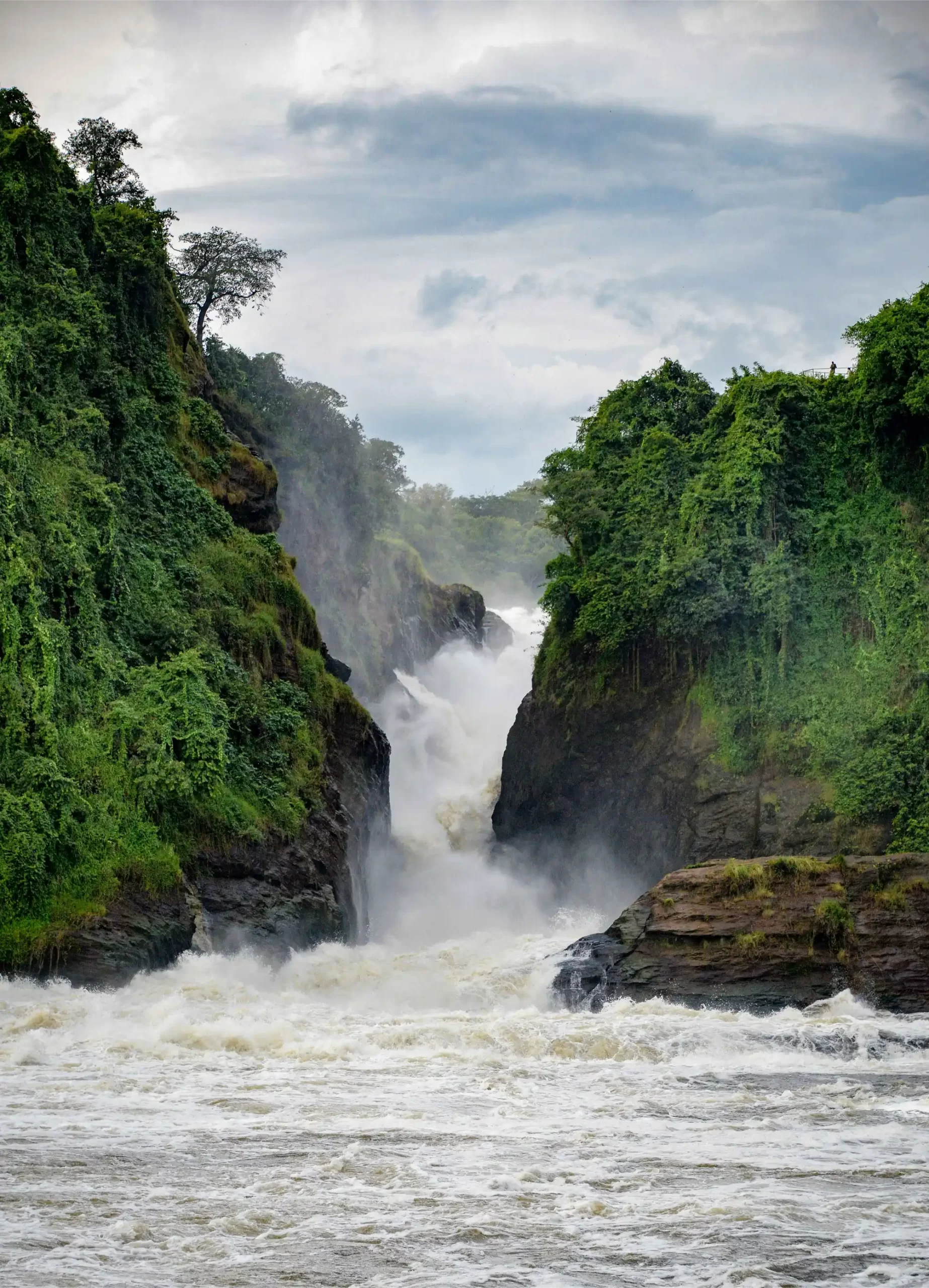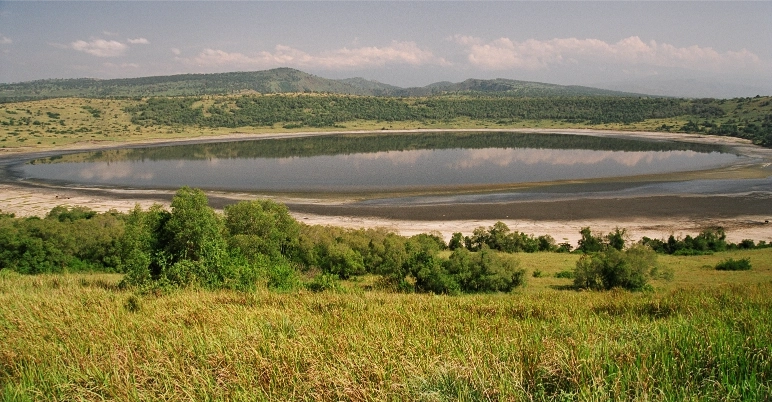
Home to one of the world’s most important populations of mountain gorillas, Virunga National Park is the oldest national park in Africa and the most biologically diverse protected area on the continent. Located in the eastern Democratic Republic of Congo, Virunga is an extraordinary wilderness of volcanoes, forests, savannahs, lava plains, and lakes — a UNESCO World Heritage Site and a premier destination for gorilla trekking, nature exploration, and adventure tourism.
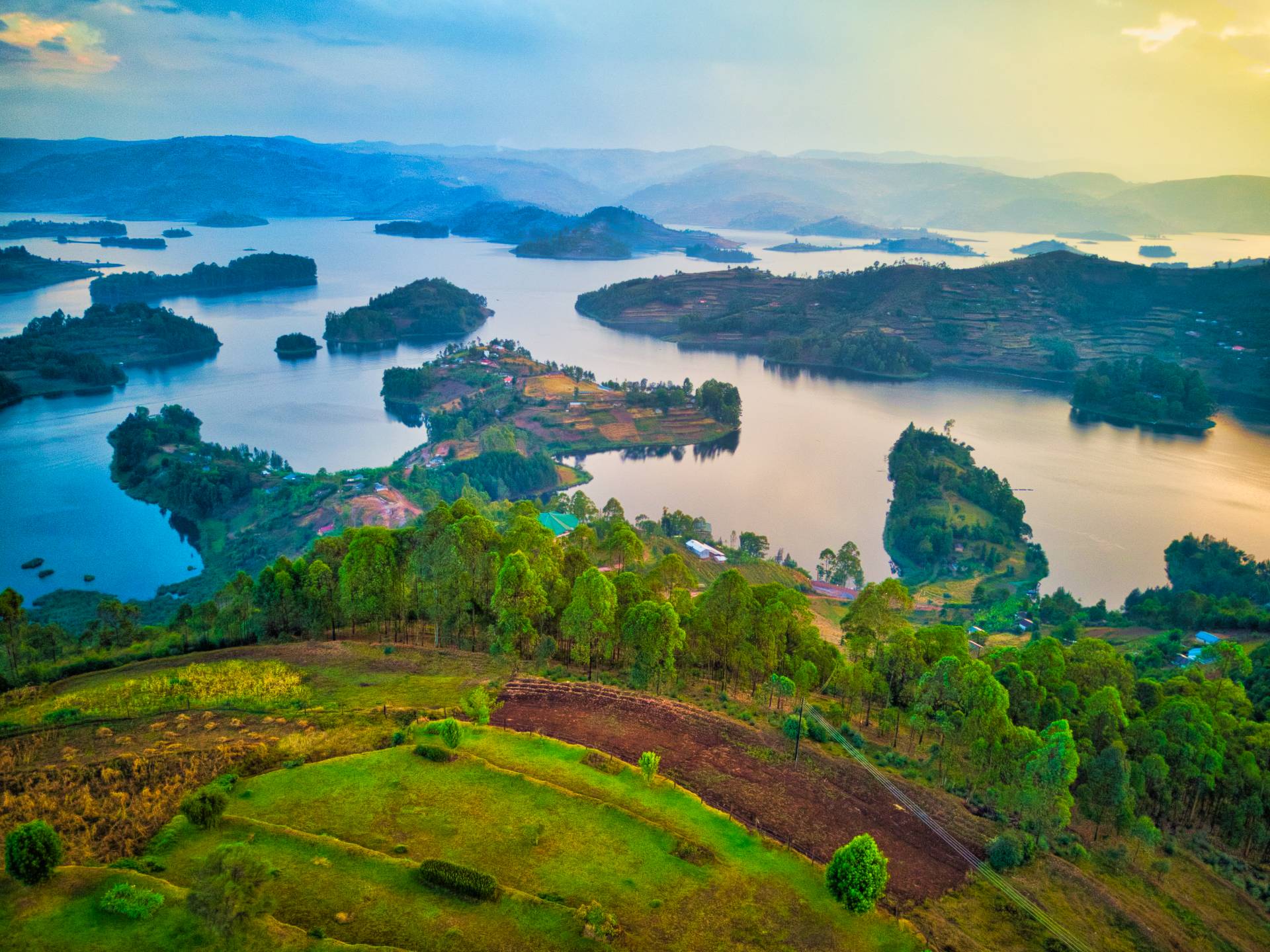
Virunga spans approximately 7,800 square kilometers, stretching from the Rwenzori Mountains in the north to the volcanic peaks of the Virunga Massif in the south. Its landscapes rise dramatically from lowland plains at 680 meters to snow-capped summits exceeding 5,000 meters, creating one of the richest ecological gradients in Africa. The park lies within the Albertine Rift, a globally recognized biodiversity hotspot.
Virunga is a living Eden — protecting rare species, geological wonders, and communities that have coexisted with the forest for generations.
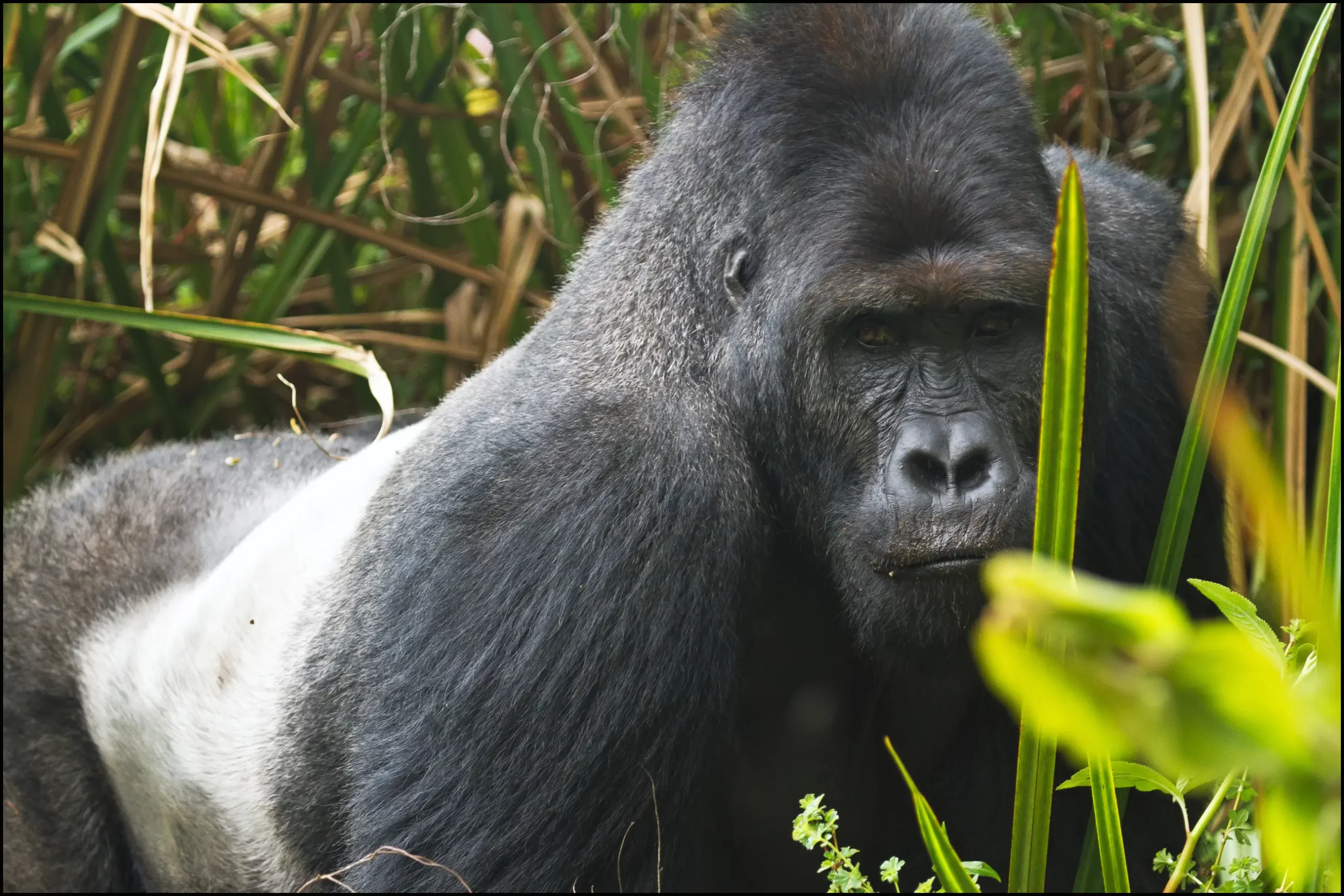
Mountain Gorillas in Virunga National Park
Virunga is home to a significant portion of the world’s remaining mountain gorillas (Gorilla beringei beringei), making it one of only three countries where these critically endangered primates can be seen in the wild.
Approximately one-third of the global population lives in the southern sector of the park, primarily around the slopes of Mount Mikeno.
The park has several habituated gorilla families available for trekking, each offering a unique glimpse into gorilla behavior, social structure, and daily life. These groups include:
- Kabirizi
- Mapuwa
- Humba
- Rugendo
- Nyakamwe
- Lulengo
Mountain gorillas in Virunga live in family units led by a dominant silverback, who guides the troop, mediates conflicts, and protects the group. The rich volcanic soils support abundant vegetation, providing gorillas with plentiful food sources like bamboo shoots, fruits, leaves, and stems. These gentle giants build new nests every night, often on the forest floor or in trees depending on the weather.
Gorilla trekking in Virunga is highly rewarding due to the park’s rugged terrain, low visitor numbers, and deep forest ambiance.
Wildlife in Virunga National Park
Beyond mountain gorillas, Virunga hosts an exceptional variety of mammals due to its vast size and diverse habitats. Over 200 mammal species have been recorded, including several rare and endangered species.
Notable mammals include:
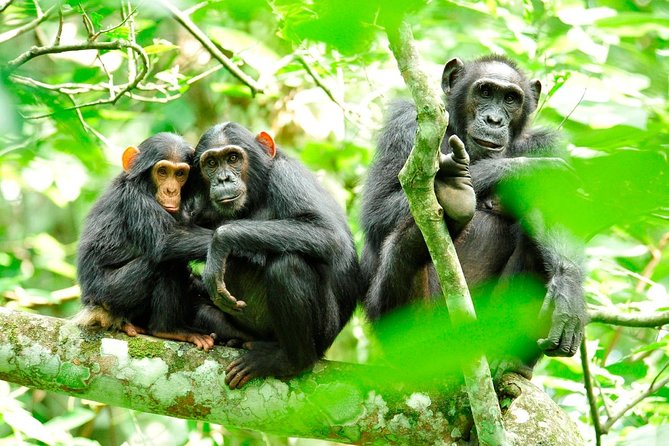
- Chimpanzees
- Lowland gorillas (in northern regions)
- Forest elephants
- Hippopotamuses (historic large population along Lake Edward)
- Okapi (in remote northern forests)
- Buffaloes
- Topis and waterbucks
- Colobus monkeys
- Blue monkeys
- Golden wolves
Virunga also supports predators such as:
- Leopards
- Lions (small populations)
- Side-striped jackals
The park’s biodiversity is among the richest in Africa owing to its combination of tropical mountains, wetlands, savannahs, and volcanic slopes.
Birdlife in Virunga National Park
Virunga National Park is an exceptional birding destination with over 700 recorded species, making it one of Africa’s richest ornithological sites.
The Albertine Rift endemics and migratory species thrive in the park’s diverse habitats.
Notable bird species include:
- Rwenzori turaco
- African fish eagle
- Narrow-tailed starling
- Grauer’s swamp warbler
- Blue-headed sunbird
- Strange weaver
- Dusky crimsonwing
- Olive pigeon
- White-spotted flufftail
- Mountain yellow warbler
- Crowned cranes
Wetlands along Lake Edward, high-altitude forests, and open savannahs create ideal birdwatching zones.
Other Fauna in Virunga National Park
Virunga is rich in reptiles, amphibians, and insects. Biodiversity research has recorded:
- Over 100 reptile species including chameleons, skinks, snakes, and tortoises
- More than 80 amphibian species thriving in wetlands and forests
- A vast insect population including hundreds of butterflies, dragonflies, and beetles
The wide altitudinal ranges form unique microhabitats supporting species found nowhere else in the world.
Flora in Virunga National Park
Virunga’s vegetation varies dramatically from lowland rainforests to alpine zones. Its plant life includes:
- Over 2,000 plant species
- Ancient afro-montane forests
- Bamboo belts
- Hagenia–Hypericum woodlands
- Alpine moorlands
- Lava fields supporting pioneer vegetation
The volcanic soils are highly fertile, contributing to the lush growth that sustains gorillas, elephants, duikers, and countless other species.
Safari Activities to Do in Virunga National Park
1. Gorilla Trekking
Virunga offers one of Africa’s most intimate and adventurous gorilla trekking experiences. Treks begin early in the morning at Bukima Ranger Post with a briefing from rangers. In small groups of eight, visitors follow experienced guides through thick forests to reach the gorilla families.
Trekking duration ranges from 1 to 6 hours, depending on the gorillas’ movements.
Visitors spend one hour observing the gorillas, maintaining an 8-meter viewing distance. Interactions include watching them feed, play, groom, and interact within their social structure.
2. Nyiragongo Volcano Hike
Virunga is home to Mount Nyiragongo, one of the world’s most active volcanoes and the site of a spectacular lava lake.
The Nyiragongo trek is a two-day adventure:
- Day 1: Ascend to the crater rim (4–6 hours)
- Overnight: Stay in summit shelters overlooking the glowing lava lake
- Day 2: Descend back to the base
Nyiragongo’s dramatic beauty makes it one of Africa’s most iconic hiking experiences.
3. Chimpanzee Habituation Experience
In the park’s southern region, trained researchers offer a habituation program allowing visitors to track semi-habituated chimpanzees. Participants observe feeding behavior, vocalizations, nest-building, and troop interactions.
4. Birdwatching
Given its vast species count, Virunga is ideal for novice and expert birders.
Birding is best along forest edges, wetlands, the Rwindi Plains, and high-altitude areas.
5. Nature Walks and Hiking
Virunga’s extensive landscapes offer scenic nature walks:
- Walking through lava plains
- Exploring alpine vegetation zones
- Visiting waterfalls, caves, and crater lakes
- Hiking scenic ridges of the Rwenzori foothills
6. Lake Edward & Ishasha Plains Exploration
The Ishasha plains inside Virunga extend into Uganda and support:
- Hippos
- Buffalo herds
- Large flocks of waterbirds
- Occasional tree-climbing lions on the Ugandan side
Boat excursions may be arranged on nearby water bodies.
7. Cultural Encounters
Local communities offer cultural experiences featuring:
- Traditional dances
- Village tours
- Craft cooperatives
- Storytelling on conservation challenges and rebuilding efforts
These activities directly support families living near the park.
Best Time to Visit Virunga National Park
Virunga is accessible year-round, but the best periods for trekking and hiking are:
Dry Seasons (Ideal for trekking & volcano hikes)
- June to September
- December to February
During these months, trails are drier, vegetation is thinner, and photography conditions are excellent.
Wet Seasons
- March to May
- October to November
These seasons offer lush scenery and great birdwatching, but trails may be slippery and gorilla trekking more challenging.