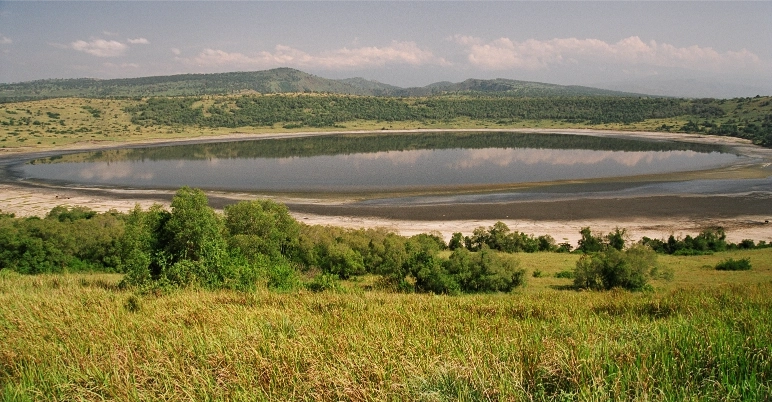
Kahuzi–Biega National Park is one of Africa’s most remarkable primate sanctuaries and the most important stronghold of the endangered Eastern Lowland Gorillas, also known as Grauer’s Gorillas. Located in the eastern region of the Democratic Republic of Congo near the city of Bukavu, this UNESCO World Heritage Site covers approximately 6,000 square kilometers, making it one of the largest protected rainforests in the Albertine Rift. Its unique combination of lowland tropical forest and high-altitude volcanic mountains creates exceptional biodiversity and a pristine wilderness experience.
Named after Mount Kahuzi (3,308 m) and Mount Biega (2,790 m), the park’s twin dormant volcanoes dominate its landscape, offering sweeping views of ancient rainforests, valleys, and rugged peaks. Kahuzi–Biega is known for its tranquility, untouched nature, and intimate gorilla encounters that are often considered among the most rewarding in Africa.
Eastern Lowland Gorillas in Kahuzi–Biega National Park
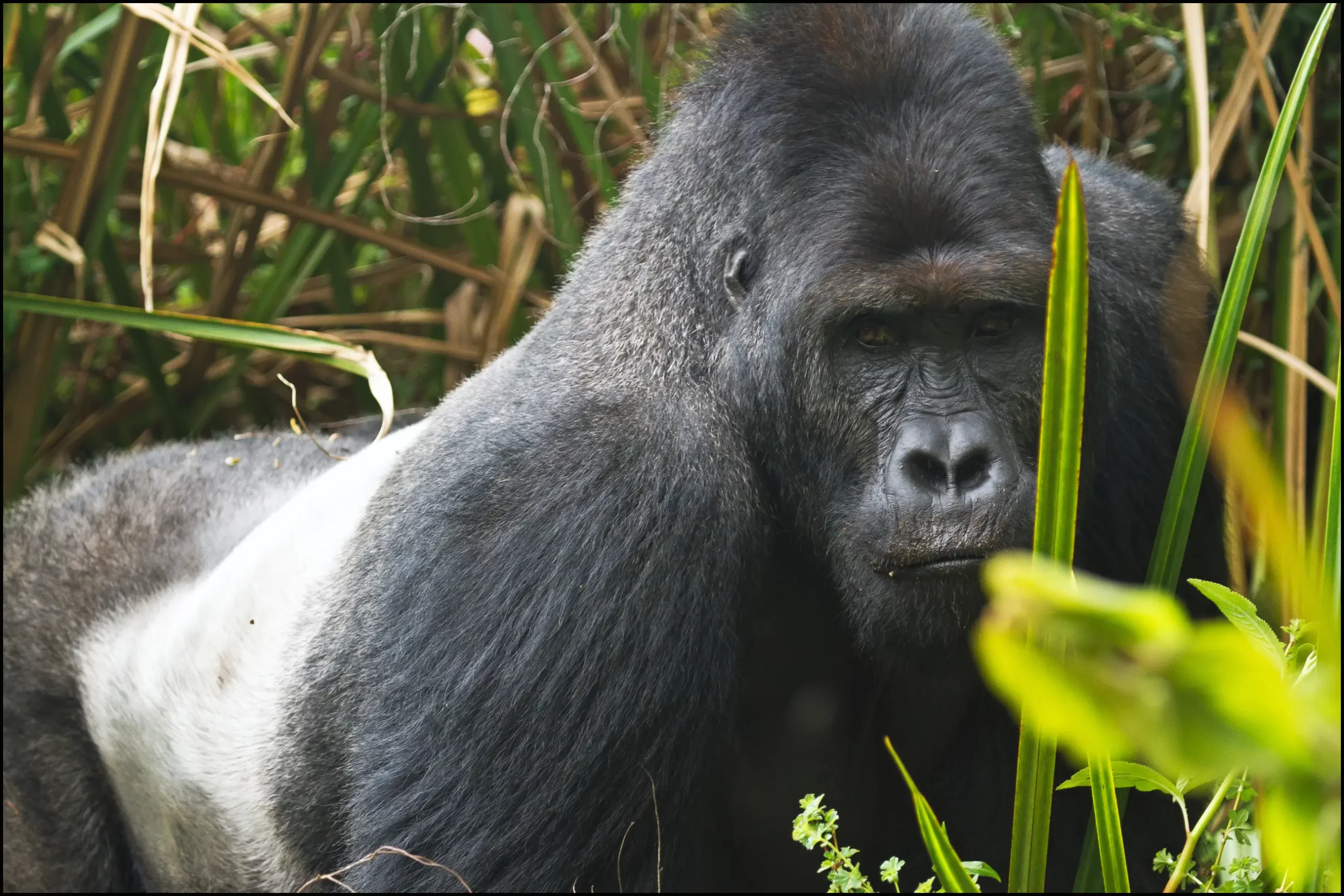
Kahuzi–Biega is home to the world’s largest remaining population of Eastern Lowland Gorillas (Gorilla beringei graueri) — the biggest of all gorilla subspecies. Unlike mountain gorillas, these gorillas live in both lowland and montane forests and can form larger families.
Several habituated gorilla groups are open for trekking, including well-known families such as Chimanuka and Mpungwe. Trekking experiences begin from the Tshivanga Visitor Center with a morning briefing, followed by guided hikes through dense forests. Gorilla trekking in Kahuzi–Biega typically involves less steep climbing than mountain gorilla treks, making it accessible to a wider range of visitors.
Eastern Lowland Gorillas live in cohesive social groups led by a dominant silverback, who oversees the group’s movement, feeding routines, and protection. They feed on fruits, leaves, shoots, bark, and herbaceous plants, and often build new nests each night on the ground or in trees.
Wildlife in Kahuzi–Biega National Park
Kahuzi–Biega hosts an extraordinary variety of mammals due to its diverse ecosystems ranging from lowland forests to high-altitude vegetation zones. The park protects over 130 mammal species, including:
- Forest elephants
- Forest buffalo
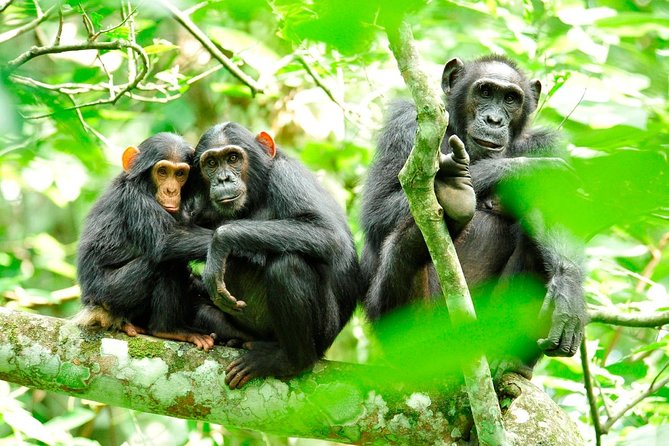
- L’Hoest’s monkeys
- Owl-faced monkeys
- Red-tailed monkeys
- Blue monkeys
- Olive baboons
- Genets
- Giant forest hogs
- Several species of duikers
Some sections of the park are remote and untouched, providing sanctuary to rare and elusive species rarely seen elsewhere.
Birdlife in Kahuzi–Biega National Park
Kahuzi–Biega is a prime destination for birdwatching, with over 350 recorded bird species, including many Albertine Rift endemics.
Notable bird species include:
Rwenzori Turaco, Grauer’s Swamp Warbler, Rockefeller’s Sunbird, Congo Peafowl (an extremely rare species), Yellow-crested Helmetshrike, Regal Sunbird, Red-throated Alethe, Chapin’s Flycatcher, and Shelley’s Crimsonwing.
The mix of lowland and montane habitats creates exceptional birding zones, particularly around Marais Musisi, high-altitude bamboo forests, and riverine areas.
Other Fauna in Kahuzi–Biega National Park
The park’s rainforest supports a wide range of reptiles, amphibians, and insects. Over 40 reptile species, 30 amphibian species, and hundreds of butterfly species have been recorded. Kahuzi–Biega is recognized for its high level of endemism due to its position within the Albertine Rift Mountains.
Flora in Kahuzi–Biega National Park
Kahuzi–Biega’s vegetation is extremely diverse, consisting of:
- Dense lowland tropical forests
- Sub-montane and montane rainforests
- Bamboo forests
- Afro-montane vegetation
- Swamp and marsh ecosystems
Botanical surveys record over 1,180 plant species, including rare orchids, giant heathers, and ancient hardwoods. The altitudinal range creates distinct microhabitats that support unique floral life found only in this region.
Safari Activities to Do in Kahuzi–Biega National Park
Gorilla Trekking
The signature activity in Kahuzi–Biega is trekking Eastern Lowland Gorillas. Treks begin with a briefing, followed by guided hikes through thick forest. Visitors spend one hour observing gorilla behavior, feeding patterns, family interactions, and playful juveniles, all under the leadership of ranger guides.
Hiking Mount Kahuzi and Mount Biega
Both volcanoes offer challenging but rewarding hikes:
- Mount Kahuzi: Takes 6–7 hours round trip with views of montane forests and the landscape below.
- Mount Biega: Slightly shorter but steeper, recommended for travelers seeking a summit adventure.
Birdwatching Experiences
Specialist guides lead birding tours seeking endemic species and rare Albertine Rift birds across marshes, ridge trails, and forest clearings.
Nature Walks and Forest Exploration
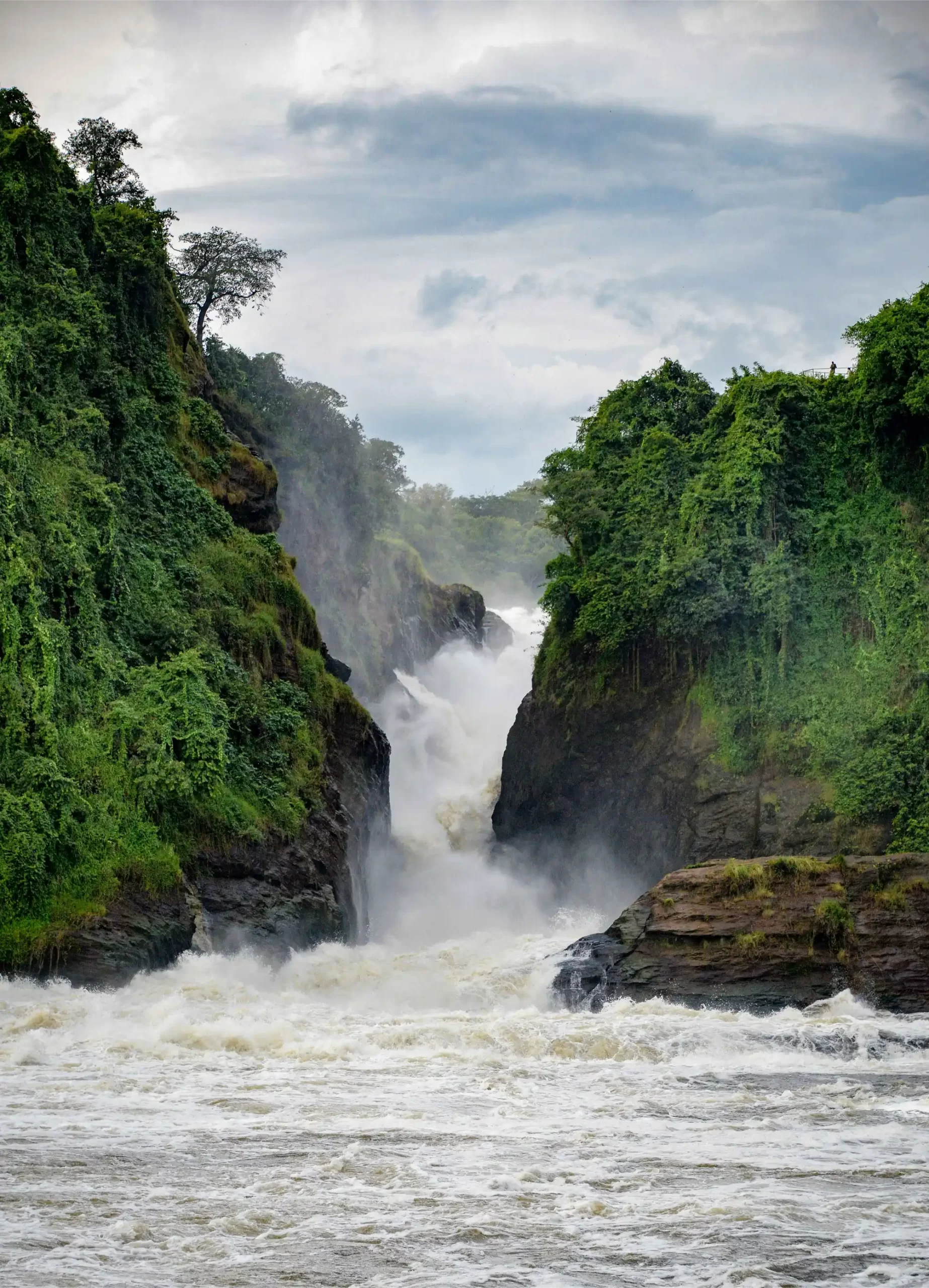
Visitors can explore waterfalls, river systems, and scenic trails that pass through bamboo forests, thick rainforest, and open glades. These walks reveal primates, butterflies, unique plants, and quiet forest ecosystems.
Cultural Encounters
Communities surrounding the park offer cultural tours where visitors can learn about indigenous traditions, local crafts, music, and conservation challenges. These experiences support families living near the forest and promote sustainable tourism.
Best Time to Visit Kahuzi–Biega National Park
Kahuzi–Biega is a year-round destination, but the best time to visit is during the dry seasons:
- June to September
- December to February
During these months, trails are drier and trekking conditions are more manageable. The wet seasons (March to May and October to November) offer lush vegetation and excellent photography, though trails may be slippery.
Where to Stay in Kahuzi–Biega National Park
Accommodation options near the park include:
- Lodges around Bukavu ranging from luxury to mid-range
- Tented camps close to the Tshivanga Visitor Center
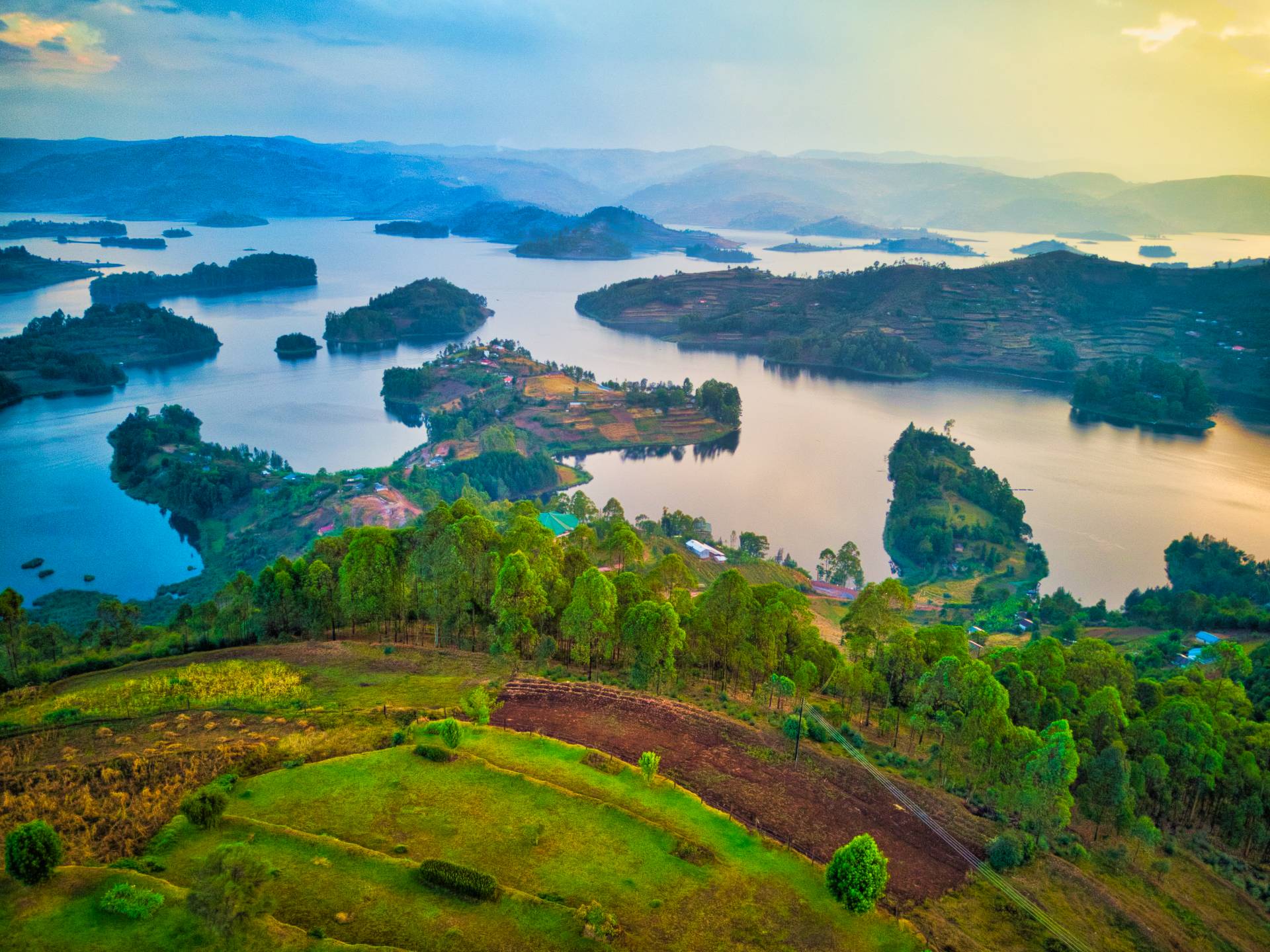
- Boutique lakeside hotels along Lake Kivu
These accommodations offer easy access to gorilla trekking and park activities.
How to Get to Kahuzi–Biega National Park
Access is primarily through Bukavu, one of the major towns in eastern Congo.
By Road:
Travelers can reach Bukavu from:
- Rwanda’s Rusizi border (from Lake Kivu’s Rwandan side)
- Goma via lake ferry or overland routes
- Domestic road networks from South Kivu
By Air:
Visitors fly into:
- Goma International Airport
- Kigali International Airport (Rwanda), then travel overland to Bukavu
Transfers from Bukavu to the Tshivanga Visitor Center take about 45 minutes to 1 hour.