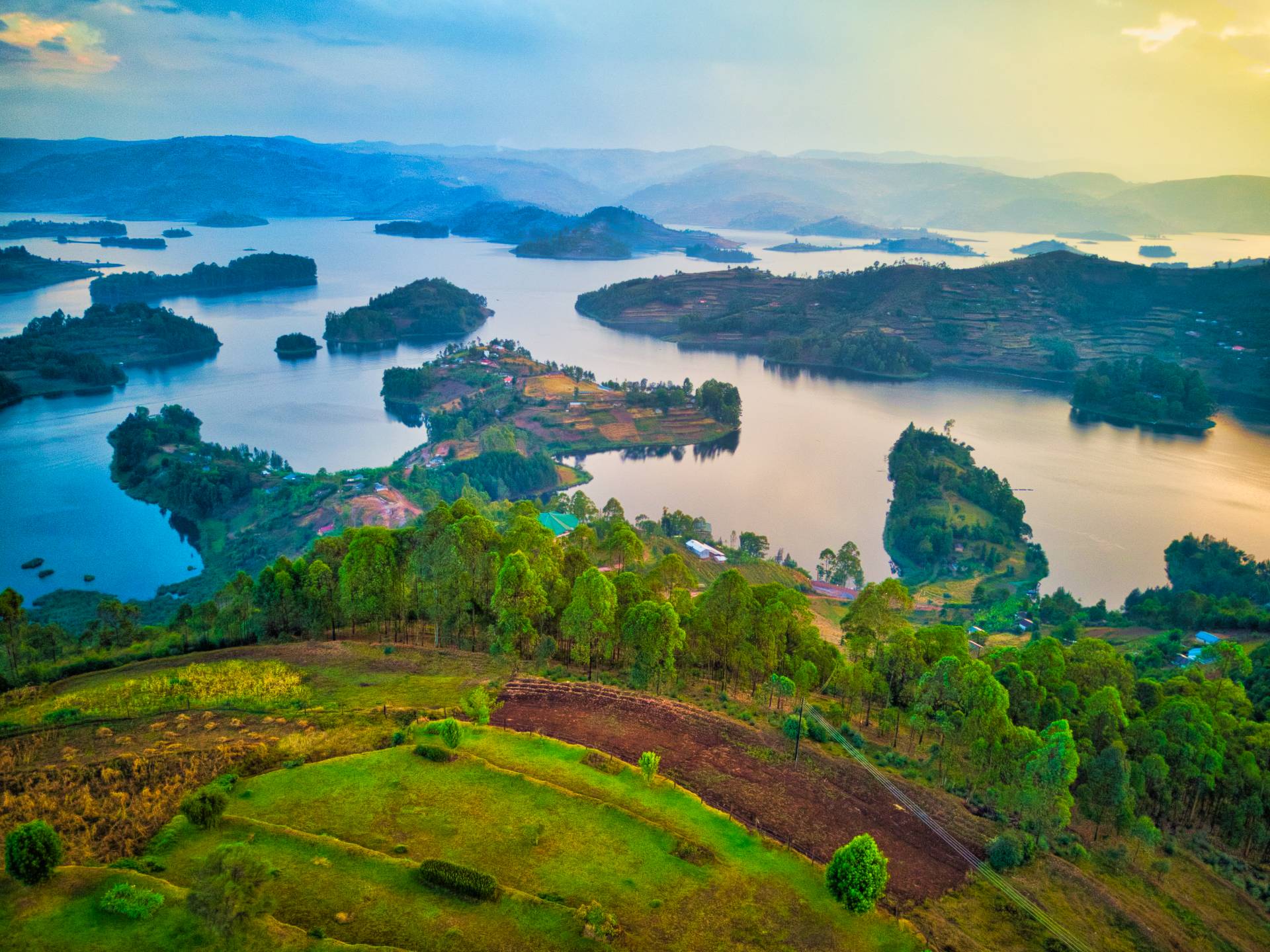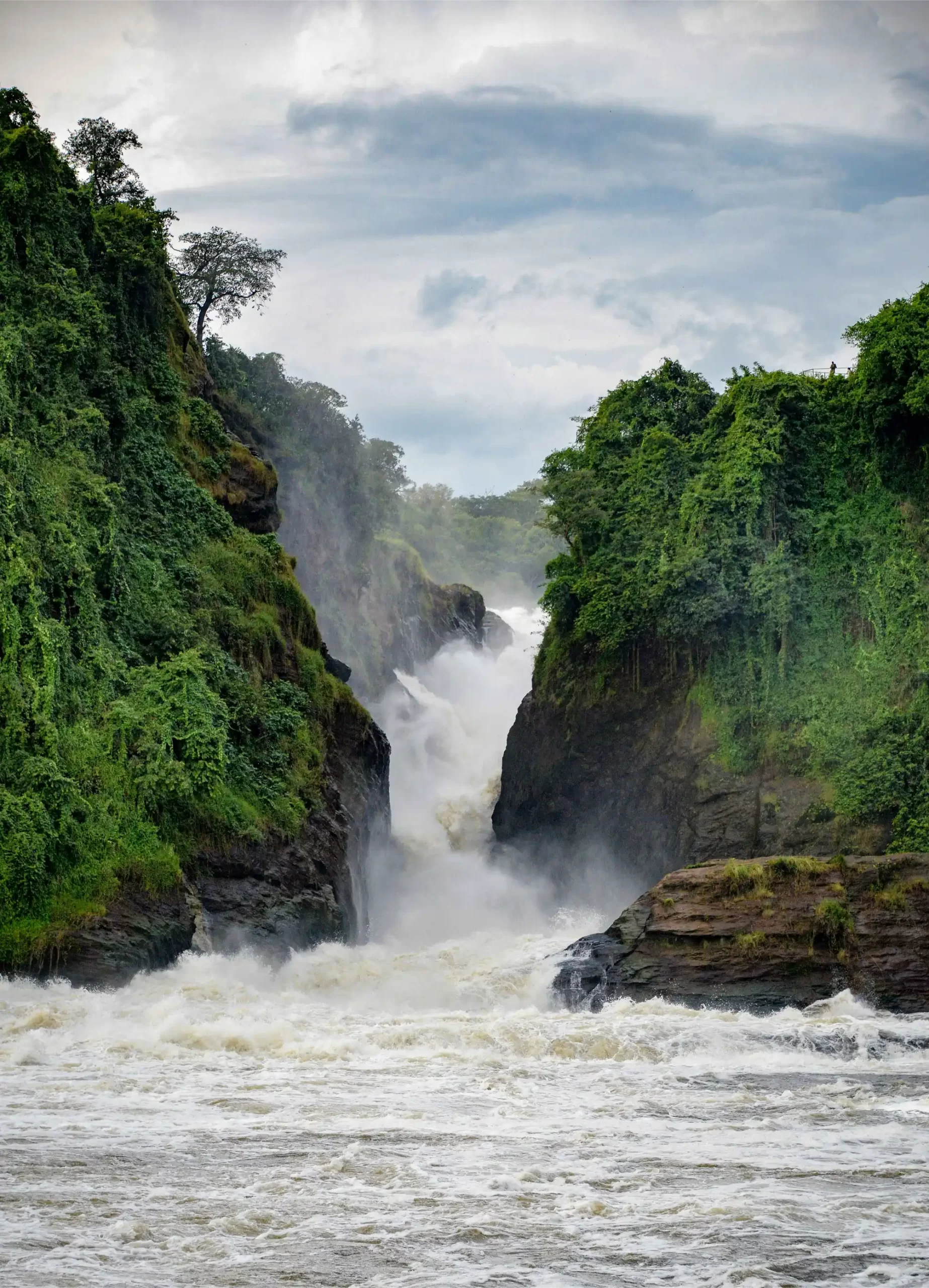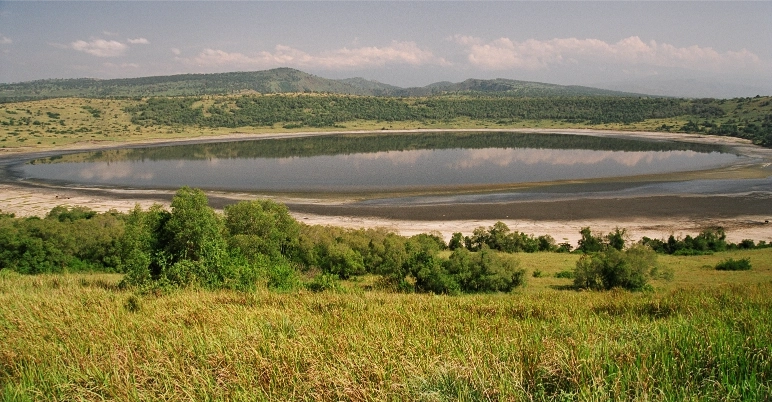
Lake Kivu is one of Africa’s Great Lakes and a defining natural landmark shared between the Democratic Republic of Congo and Rwanda. On the Congolese side, the lake stretches along the towns of Goma in the north and Bukavu in the south, forming some of the most scenic waterfront landscapes in Central Africa. The lake sits at an elevation of about 1,460 meters above sea level and is surrounded by volcanic mountains, rolling hills, and villages that overlook the shimmering blue water. Its calm surface, sandy shores, and mild climate create a peaceful environment ideal for relaxation, photography, and lakeside exploration.
Lake Kivu is unique because it contains high concentrations of dissolved gases such as methane and carbon dioxide deep below its surface due to volcanic activity in the region. Despite this, the lake remains one of the safest for tourism and is renowned for its natural beauty and tranquil atmosphere. Visitors to the Congo side experience a quieter, more authentic version of Lake Kivu compared to the more commercially developed areas across the border.
Location and Setting of Lake Kivu (DRC)
The Congolese shoreline of Lake Kivu is dominated by two major cities, Goma to the north and Bukavu to the south. Goma sits near the foot of Mount Nyiragongo and features a dramatic landscape shaped by past volcanic eruptions. Its lava rock roads, modern developments, and lakefront hotels offer a unique urban-meets-nature setting. Bukavu, located further south, is a charming lakeside city built on steep hillsides, known for colonial-era architecture, sweeping views, and access to nearby natural reserves like Kahuzi–Biega National Park. Both towns offer distinct experiences, yet share the same serene lakeshore environment.
Wildlife Around Lake Kivu
While Lake Kivu is not a major wildlife destination like Congo’s national parks, its surrounding ecosystems support a range of species. The shoreline hosts various bird species such as cormorants, African fish eagles, kingfishers, herons, and hornbills. The lake contains several fish species, including tilapia and sambaza (small sardine-like fish), which are an important part of local cuisine. Forests and agricultural lands around Bukavu and Goma are home to monkeys, small antelopes, and numerous bats and reptiles. Visitors may also see butterflies, amphibians, and other small wildlife during nature walks along the lake.
Cultural Life Along Lake Kivu
The shores of Lake Kivu are lined with vibrant communities engaged in fishing, farming, boat-building, and small-scale commerce. Visitors can interact with local fishermen, explore lively markets, or take part in cultural experiences such as traditional dance performances and village tours. The Congolese side of Lake Kivu has a rich cultural blend influenced by different tribes, colonial history, and cross-border interactions. The region is also known for specialty coffee and tea farms, especially near Bukavu, where some of East Africa’s finest Arabica coffee is produced.
Activities to Do on Lake Kivu – Congo Side
Boat Excursions
Travelers can enjoy relaxing boat rides across the lake, taking in views of volcanic mountains, islands, and lakeshore communities. Boat trips can be arranged from both Goma and Bukavu, ranging from short scenic rides to full-day explorations.
Island Visits
Several islands are accessible from the Congo side, offering quiet shorelines, birdwatching opportunities, and untouched natural scenery. Some islands are used for fishing, while others are known for traditional stories and local folklore.
Swimming and Lakeside Relaxation
Lake Kivu’s waters are free of dangerous animals such as hippos or crocodiles, making it suitable for swimming in designated safe areas. Many lakeside hotels feature private beaches, gardens, and terraces overlooking the water.
Kayaking and Canoeing
For more active visitors, Kayak tours and canoe excursions can be arranged, allowing travelers to paddle along the peaceful shoreline.
Coffee and Tea Tours
The hills around Bukavu are famous for producing high-quality specialty coffee. Visitors can take guided tours through plantations, meet farmers, and learn about the coffee-making process from bean to cup.
Scenic Walks and Photography
The landscapes around Goma and Bukavu offer excellent opportunities for hiking and photography. The combination of volcanic terrain, terraced hills, and lakeside views makes this one of the most photogenic regions in Congo.
Best Time to Visit Lake Kivu
Lake Kivu can be visited throughout the year, but the most pleasant months correspond with the dry seasons between June and September and December to February. During these periods, skies are clearer, temperatures are moderate, and outdoor activities such as boat rides and walks are more comfortable. The rainy seasons bring lush landscapes and dramatic cloud-covered views of the mountains, making it also attractive for photography.
Where to Stay on Lake Kivu – Congo Side
Both Goma and Bukavu offer a variety of accommodation options along the lake. Goma features modern hotels with lakeside terraces, comfortable boutique lodges, and international-standard properties suitable for both leisure and business travelers. Bukavu offers charming hotels built into the hillsides overlooking the lake, boutique lake houses, and eco-lodges ideal for guests combining their stay with visits to Kahuzi–Biega National Park.
How to Get to Lake Kivu (DRC)
Travelers can access the Congo side of Lake Kivu primarily through Goma International Airport or by crossing the land border from Gisenyi in Rwanda. Bukavu is reachable from Rwanda via the Rusizi border crossing or by boat from Goma, which provides scenic lake transportation between the two cities. Road connections between Goma, Bukavu, and surrounding regions are available, though the condition of roads varies depending on the route.