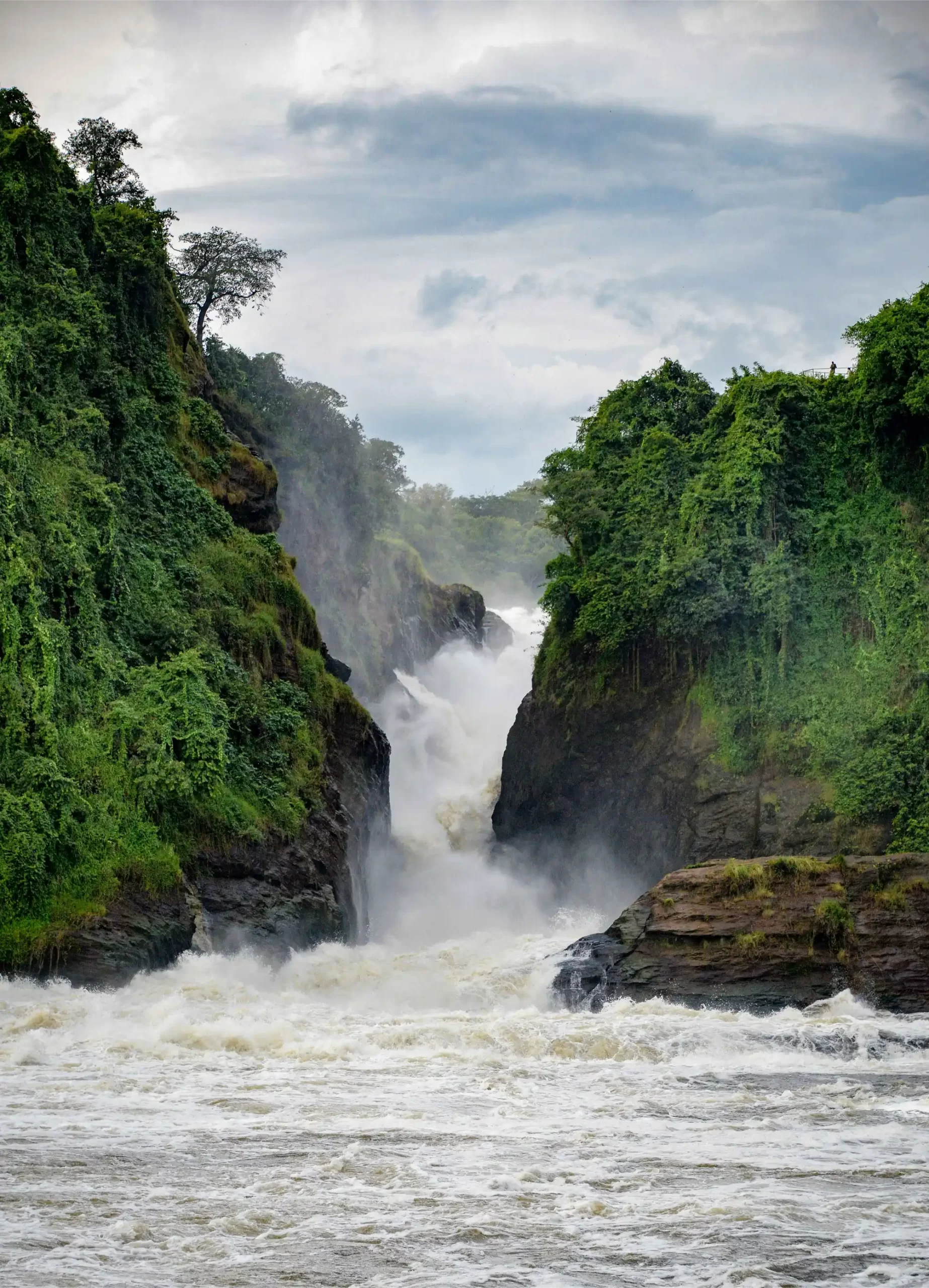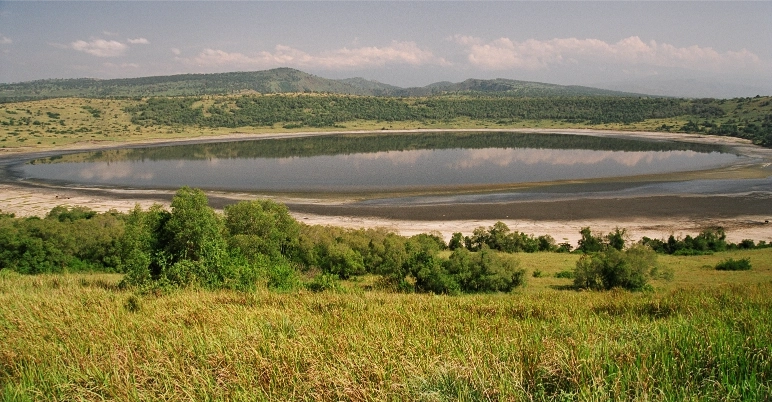
The Congo Rainforest, also known as the Congo Basin Forest, is the second-largest tropical rainforest in the world after the Amazon and one of the most important ecological systems on Earth. Covering millions of hectares across Central Africa, including a significant portion in the Democratic Republic of Congo, the Congo Rainforest is a vast, ancient wilderness of towering trees, dense undergrowth, winding rivers, and extraordinary biodiversity. It is often referred to as the “lungs of Africa” due to its enormous role in carbon absorption, climate regulation, and sustaining life across the region.
The rainforest is part of the greater Congo Basin, a massive lowland basin watered by the Congo River and its tributaries. Its ecosystems include swamp forests, flooded forests, lowland tropical forests, and savannas, all interconnected through one of the world’s most complex river networks. The Congo Rainforest is home to indigenous communities, some of whom have lived in harmony with the forest for thousands of years, maintaining a deep cultural and spiritual connection to the land.
Location and Scale of the Congo Rainforest
The rainforest spans across six African countries — the Democratic Republic of Congo, Republic of Congo, Cameroon, Gabon, Equatorial Guinea, and the Central African Republic.
In the DRC alone, it covers hundreds of thousands of square kilometers, making the country the single largest custodian of Congo Basin forests. Much of this forest remains untouched, making it one of the last remaining true wilderness areas on the planet.
The region is characterized by humid tropical climate, consistently high rainfall, and year-round humidity that supports its exceptional tree cover. Many areas of the rainforest are so remote and inaccessible that they have been studied only minimally, adding to its mystery and global importance.
Wildlife of the Congo Rainforest
The rainforest supports an extraordinary variety of wildlife, including species found nowhere else on Earth.
Among the most iconic animals are:
The forest is also home to secretive carnivores like African golden cats and servals, along with countless small mammals, rodents, and nocturnal species. Some areas are so remote that new species continue to be discovered regularly.
Birdlife in the Congo Rainforest
The Congo Basin hosts more than 1,000 bird species, making it one of Africa’s richest birding regions.
Some notable species include:
- Forest elephants
- Western lowland gorillas
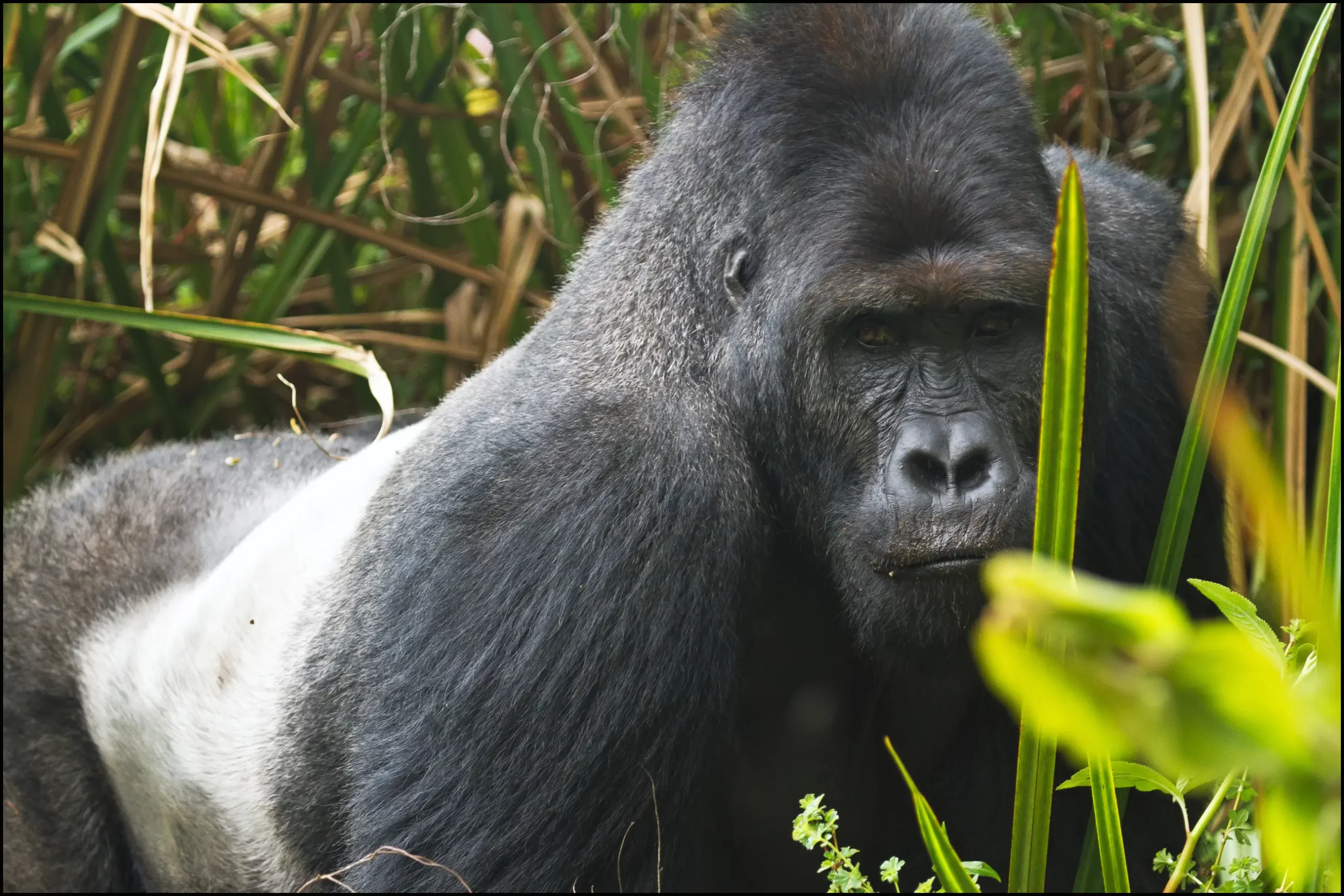
- Eastern lowland gorillas (Grauer’s gorillas)
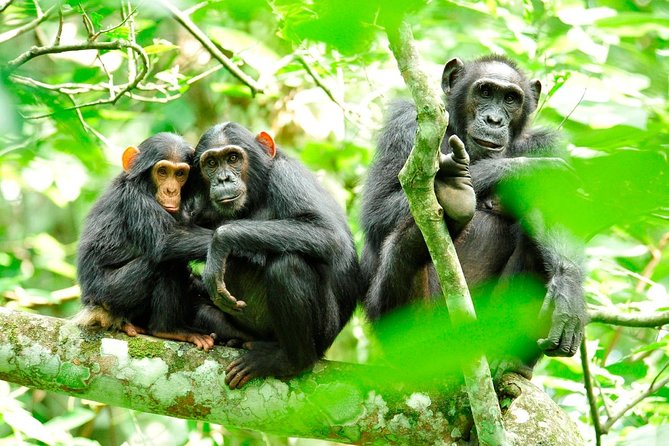
- Chimpanzees
- Bonobos (endemic to the DRC)
- Okapi
- Forest buffalo
- Bongo antelope
- Red river hogs
- Numerous monkey species such as De Brazza’s monkey, Allen’s swamp monkey, and colobus monkeys
The combination of swamp forests, river banks, canopy zones, and mixed woodlands provides diverse habitats that support both resident and migratory birds.
Other Fauna in the Congo Rainforest
The forest shelters an enormous range of reptiles, amphibians, insects, and fish.
Surveys have identified:
- Over 400 reptile species including snakes, chameleons, tortoises, and geckos
- More than 200 amphibian species, many endemic to the region
- Thousands of butterfly and moth species
- A massive variety of beetles, spiders, and other invertebrates
- Hundreds of freshwater fish species in the Congo River system
The Congo River itself is one of the deepest and most species-rich rivers in the world.
Flora in the Congo Rainforest
The plant life in the Congo Basin is equally astounding. The forest contains more than 10,000 known plant species, with about 30% found nowhere else on earth.
Common vegetation types include:
- Giant hardwoods such as mahogany, iroko, and sapele
- Dense undergrowth of lianas, vines, and ferns
- Swamp vegetation with raffia palms and papyrus
- Towering canopy trees forming closed evergreen forests
- Rare orchids, medicinal plants, and aromatic tree species
These plants support intricate ecological functions, including carbon storage, oxygen production, and water cycle stability.
Experiences and Activities in the Congo Rainforest
Jungle Expeditions
Visitors can explore the rainforest on guided expeditions led by local trackers and conservationists. These immersive walks pass through thick vegetation, rivers, and wildlife-rich corridors, allowing travelers to observe forest behavior, sounds, and ecological processes at close range.
Primate Tracking
Some areas of the Congo Basin, especially in the DRC, offer opportunities to track chimpanzees, bonobos, or Eastern Lowland Gorillas depending on the region. These experiences are deep, remote, and reserved for adventurous travelers who seek unfiltered wilderness.
River Safaris
Exploring parts of the Congo River and its tributaries offers exceptional encounters with riverside wildlife, forest villages, and wetland birds. Canoe or motorboat excursions reveal the rainforest from a different perspective.
Cultural Encounters
Indigenous communities such as the Mbuti and other forest-dwelling peoples offer cultural experiences related to traditional hunting techniques, music, dance, and forest survival skills. These communities are deeply connected to the rainforest and provide authentic insights into coexistence with nature.
Birdwatching
The dense canopy, swamp forests, and riverine habitats offer excellent birding opportunities. Specialist guides can help locate rare forest species and Albertine Rift endemics.
Botanical Exploration
Scientists, students, and eco-tourists may explore the forest’s unique plant diversity including medicinal plants, orchids, and towering canopy giants. Guided botanical walks reveal the ancient character of the rainforest.
Best Time to Visit the Congo Rainforest
The rainforest can be visited throughout the year. However, the best periods for exploration fall during the relatively drier seasons from June to September and December to February. These months offer more manageable humidity levels, better visibility for wildlife, and reduced rainfall. The rainy seasons from March to May and October to November bring lush vegetation and dramatic storm activity but can make trails muddy and rivers high.
Where to Stay
Accommodation options vary depending on which part of the rainforest is visited. Around key access points such as Kisangani, Mbandaka, or selected protected areas, travelers may find eco-lodges, simple guesthouses, or research centers. Remote expeditions often rely on forest camps supported by experienced guides and porters.
How to Access the Congo Rainforest
Access depends on the specific region. Major gateways in the Democratic Republic of Congo include:
- Flying into Kinshasa, Goma, Kisangani, or Bukavu
- River transport along the Congo River, often via long-distance ferries or motorized boats
- Overland travel from nearby towns to park entry points or forest centers
Due to the vastness of the Congo Basin, travel is often arranged through specialized tour operators familiar with the region’s logistics, conservation protocols, and cultural landscapes.